



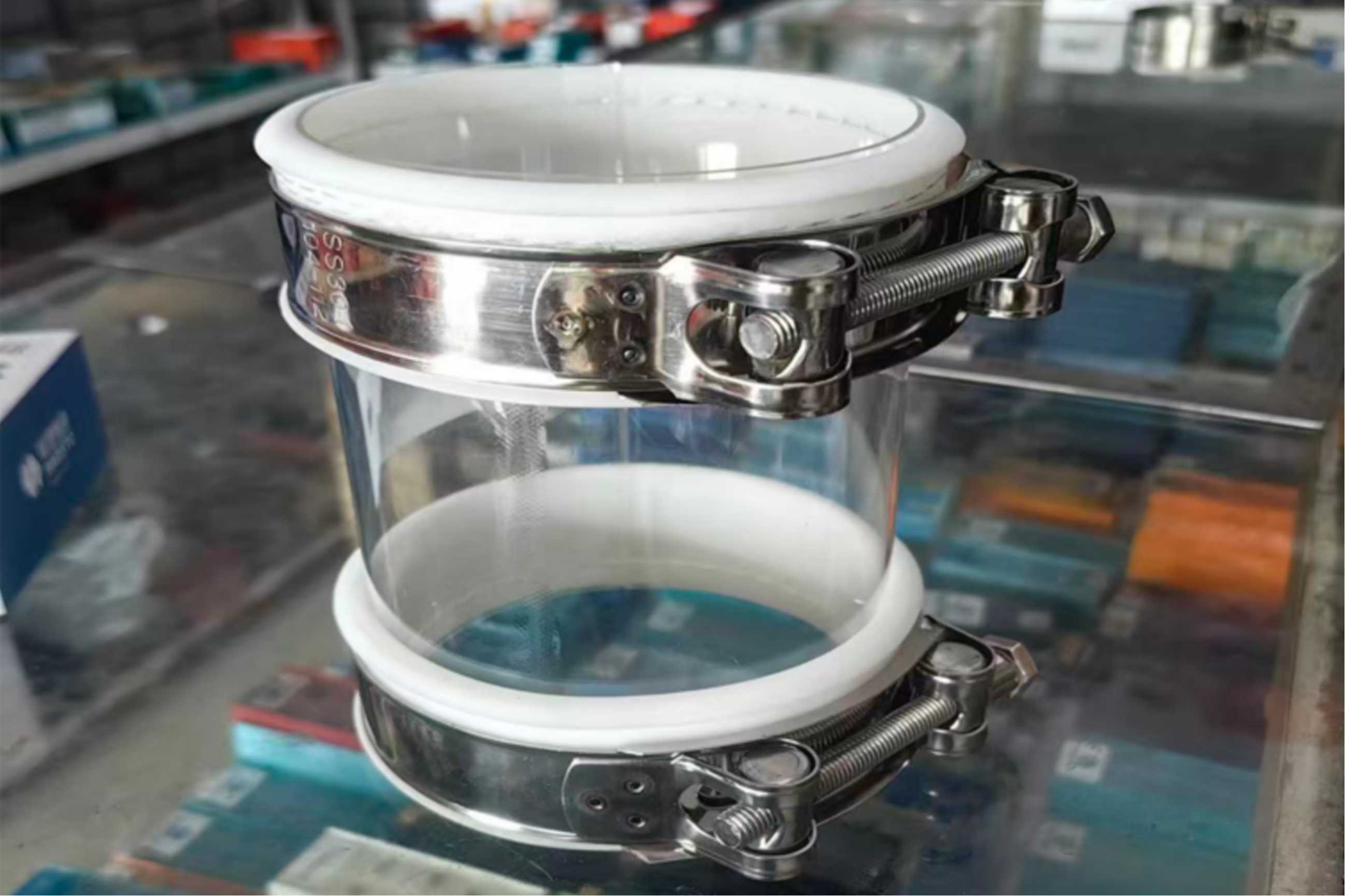
Technical Advantages of Polyurethane (PU) Soft Connections in Powder Handling Systems
1. Superior Abrasion Resistance
Powdered media, especially crystalline or granular substances, can be highly abrasive. PU soft connections offer significantly higher tensile strength and tear resistance compared to PVC or silicone. This durability extends the replacement cycle, reducing downtime in continuous production lines such as vibratory sifters or bin discharges.
2. Chemical and Environmental Stability
- Oil and Solvent Resistance: PU remains stable when exposed to industrial oils and various chemicals, preventing the degradation or "melting" often seen in lower-grade plastics.
- Microbial Resistance: High-quality TPU is naturally resistant to microbial growth, a vital requirement for compliance with hygiene standards in food processing.
3. Air-Tightness and Dust Control
Modern powder handling requires "Zero Leakage" to prevent cross-contamination and protect the workspace from combustible dust.
- Seamless Integration: PU connectors can be high-frequency welded to ensure seamless transitions.
- Pressure Management: They maintain structural integrity under both positive and negative pressure (vacuum) environments, preventing "implosion" during high-velocity powder transfer.
4. Transparency and Monitoring
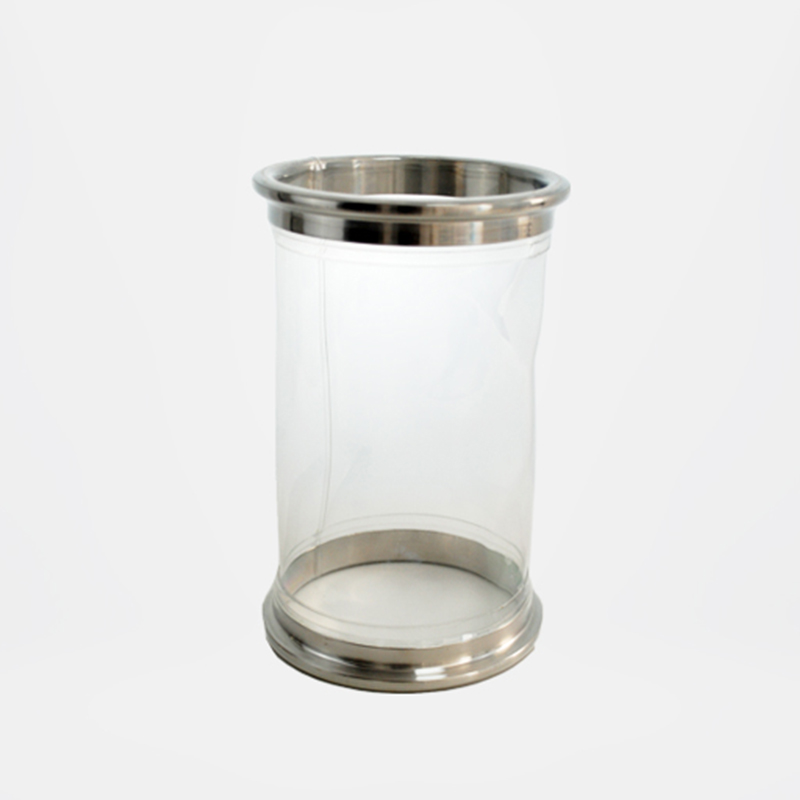
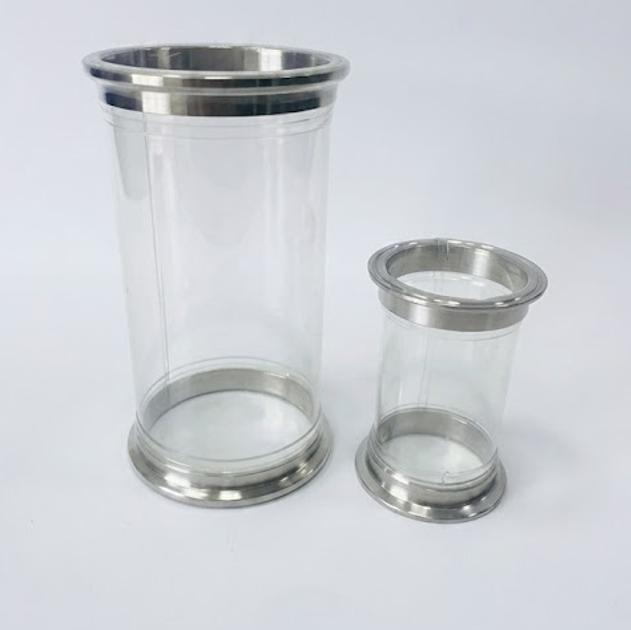
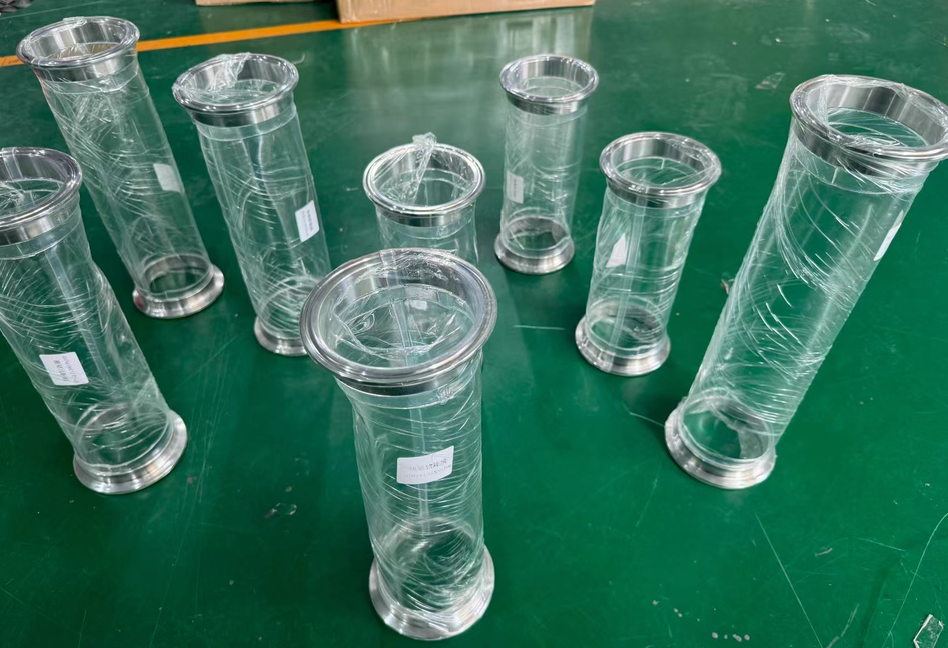
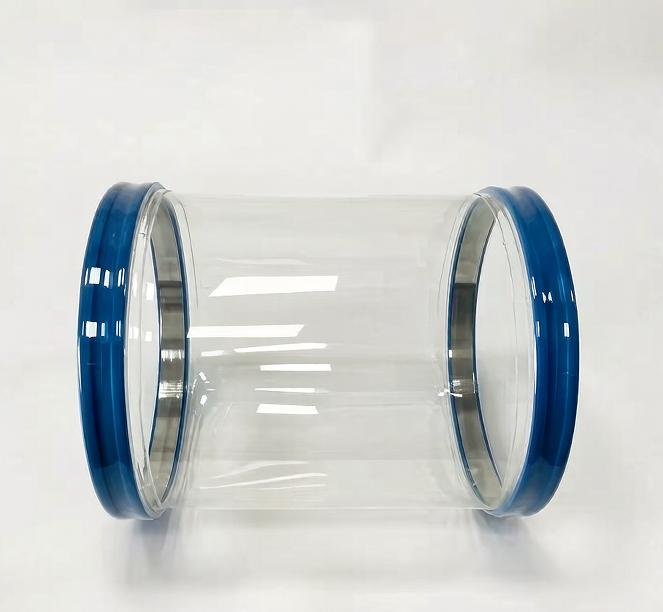
Unlike opaque rubber sleeves, translucent PU allows operators to visually monitor the flow of material in real-time. This aids in the immediate detection of blockages or flow inconsistencies without halting the production line.
5. Compliance and Safety
For international trade and high-spec manufacturing, ensure your soft connections meet the following criteria:
- Food Grade: Compliance with FDA 21 CFR 177.2600 or EU 10/2011.
- Anti-Static Properties: In environments handling explosive powders (e.g., flour, sugar, or certain chemicals), permanent anti-static PU (Surface resistivity <10⁹ Ω) is essential to prevent electrostatic discharge.
Summary Table: PU vs. Traditional Materials
| Feature | Polyurethane (PU) | PVC | Silicone |
|---|---|---|---|
| Durability | Excellent | Moderate | Low (Tears easily) |
| Flexibility | High | Low (Stiffens over time) | Very High |
| Temp Range | -40°C to +90°C | -10°C to +60°C | -60°C to +200°C |
| Transparency | High | High | Translucent/Opaque |
| Cost-Efficiency | High (Long Life) | Low (Initial) | Moderate |
Related Posts